Drywall and Ceiling Mold Removal Services in Denton, TX
✅ Over 100 5-Star Reviews
✅ Free Estimates and Quotes
✅ 100% Satisfaction Guaranteed
✅ 24-Hour Emergency Service
✅ Fully Licensed & Insured
CONTACT US
Drywall and Ceiling Mold Removal near Denton, TX
Mold growth on drywall and ceilings is more than a cosmetic concern, it often indicates underlying moisture issues that can affect indoor air quality and structural materials if left unaddressed. Because drywall and ceiling surfaces are porous, mold can spread beneath the surface, making professional removal essential for long-term resolution.
Our drywall and ceiling mold remediation services in Denton, TX are designed to safely eliminate mold while protecting the integrity of your property. We work with homeowners, property managers, and commercial clients to assess affected areas, determine the extent of contamination, and apply remediation methods appropriate for interior building materials.
Mold commonly develops on walls and ceilings due to roof leaks, plumbing issues, condensation, or inadequate ventilation. In many cases, the visible growth is only part of the problem. Our approach focuses on identifying hidden contamination and addressing contributing moisture conditions to prevent recurrence.
Using industry-recognized remediation practices and controlled removal techniques, we remove mold while minimizing disruption to occupied spaces. Each project is handled with careful planning, clear communication, and attention to safety ensuring affected materials are treated properly and surrounding areas remain protected.
Whether mold is present in a single room or throughout a larger structure, timely professional remediation helps preserve property value, improve indoor air quality, and reduce the risk of further damage. Our team delivers dependable drywall and ceiling mold removal solutions backed by experience, precision, and a commitment to long-term results.
Signs of Mold on Drywall and Ceilings
Mold growth on drywall and ceilings is not always immediately obvious. In many cases, contamination develops behind surfaces or spreads gradually, making early detection critical. Recognizing the warning signs can help prevent more extensive damage and reduce health-related concerns.
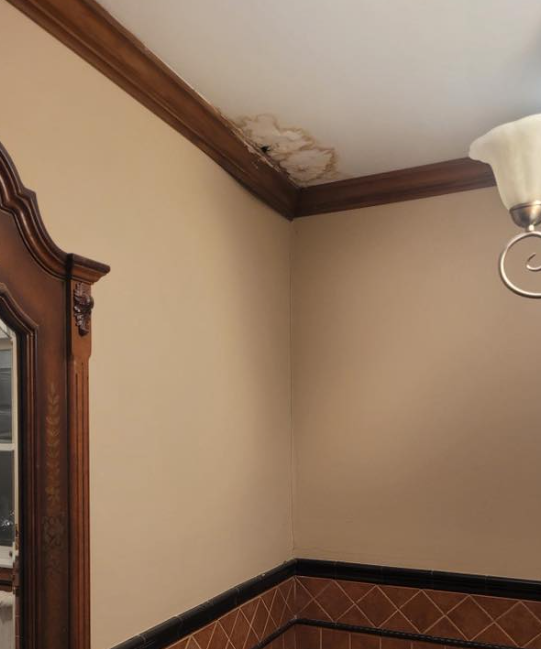
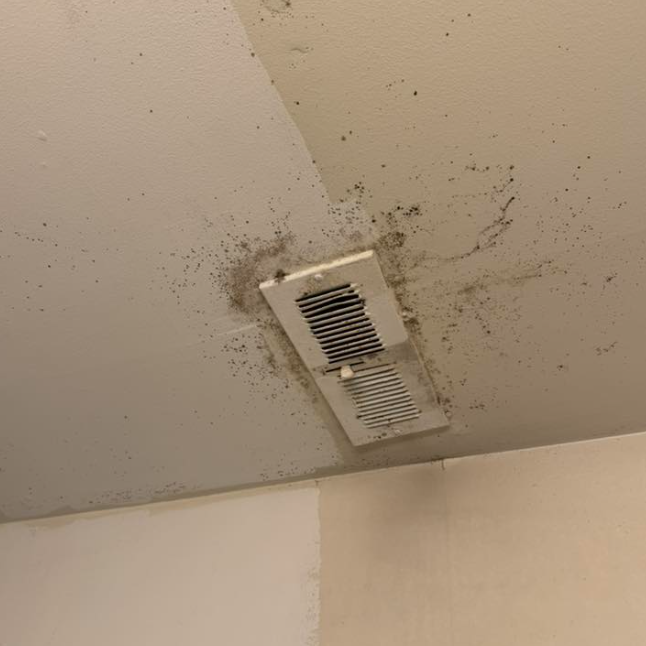
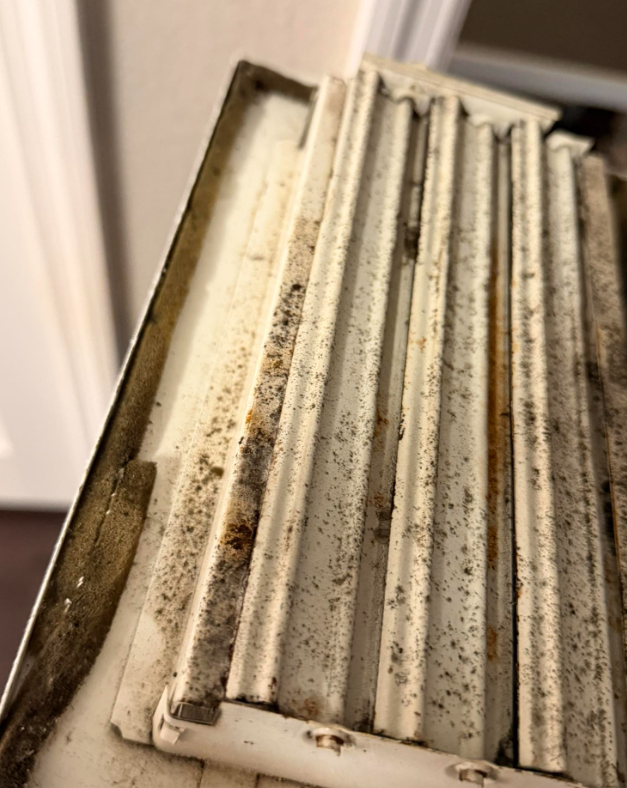
One of the most common indicators is visible discoloration, including dark spots, patches, or staining that may appear black, green, gray, or brown. These marks often develop near ceilings, corners, around vents, or along wall seams where moisture tends to accumulate.
Peeling paint, bubbling drywall, or cracking ceiling materials can also signal moisture intrusion that supports mold growth beneath the surface. Even if mold is not visible, changes in texture or finish should not be ignored.
A persistent musty or earthy odor, especially in enclosed rooms or upper levels of a building, is another strong indicator. Odors may be present even when mold is hidden behind drywall or above ceiling panels.
Occupants may also experience unexplained allergy-like symptoms, such as coughing, sneezing, eye irritation, or respiratory discomfort that worsens indoors. While these symptoms can have multiple causes, mold exposure is often a contributing factor.
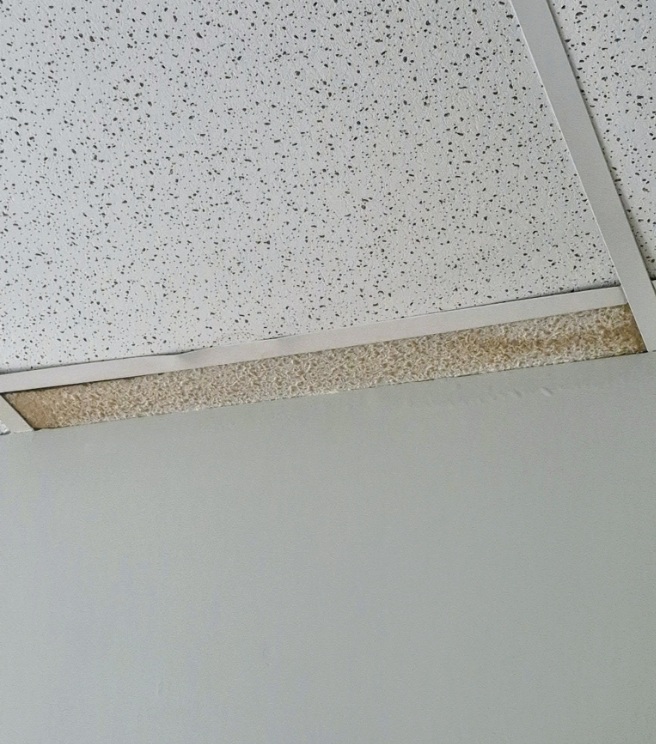
In commercial or multi-unit properties, recurring moisture issues, ceiling tile discoloration, or repeated surface staining may suggest a broader problem affecting shared spaces or building systems.
If any of these signs are present, professional evaluation is recommended. Drywall and ceiling mold often extends beyond what is visible, and proper assessment helps determine the safest and most effective remediation approach before conditions worsen.
Why Mold Commonly Forms on Walls and Ceilings
Walls and ceilings are among the most common areas where mold develops because they often conceal moisture problems that go unnoticed. Unlike visible flooring or fixtures, moisture behind drywall or above ceiling surfaces can persist for long periods before signs appear.
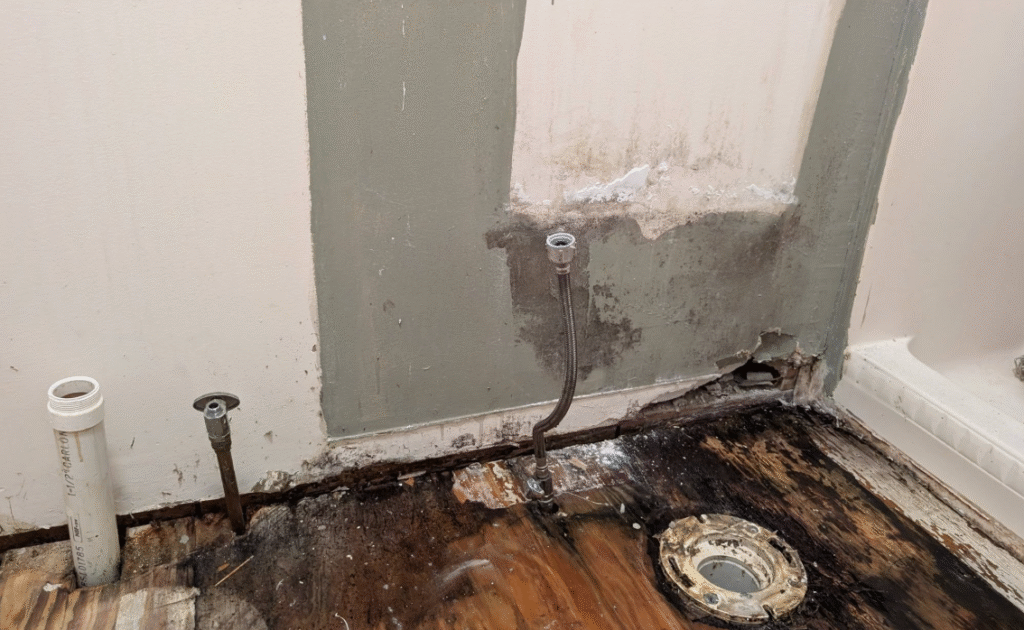
One frequent cause is hidden water intrusion. Leaking roofs, plumbing lines, or HVAC components can introduce moisture into wall cavities or ceiling assemblies. When this moisture is trapped behind finished surfaces, it creates ideal conditions for mold growth.
Poor ventilation is another contributing factor. Bathrooms, kitchens, laundry rooms, and upper floors often experience elevated humidity levels. Without proper airflow, moisture can condense on drywall and ceiling materials, especially around vents, corners, and exterior walls.
Temperature differences within a building can also lead to condensation. Warm indoor air meeting cooler wall or ceiling surfaces may cause moisture to form, particularly in poorly insulated areas. Over time, repeated condensation can saturate drywall and promote mold development.
In commercial buildings and multi-unit properties, shared building systems and interconnected wall spaces increase the risk of moisture migration. A leak or humidity issue in one area can affect adjacent walls or ceilings, allowing mold to spread beyond the original source.
Because drywall and ceiling materials are porous, they readily absorb moisture and organic particles that mold feeds on. Once growth begins, it can spread behind surfaces long before it becomes visible.
Professional assessment is important because mold on walls and ceilings often indicates an underlying moisture issue. Addressing surface contamination alone is not sufficient without identifying and correcting the contributing conditions.
Our Drywall & Ceiling Mold Removal Process
1. Detailed Surface & Structure Assessment
We begin with a careful inspection of affected walls and ceiling areas to determine the extent of mold growth and material impact. This includes evaluating drywall integrity, ceiling surfaces, framing exposure, and surrounding areas where moisture may be present but not immediately visible.
This step allows us to define the scope of work accurately and determine whether materials can be treated or require removal.
2. Moisture Source Identification
Effective mold removal requires addressing the cause, not just the visible growth. Our team evaluates potential moisture contributors such as plumbing leaks, roof intrusion, condensation issues, or ventilation deficiencies that affect walls and ceilings.
Identifying these conditions early helps prevent recurrence after remediation is complete.
3. Containment & Area Protection
Before remediation begins, we establish controlled containment around affected areas. This prevents mold spores from spreading to other parts of the property during the removal process.
Protective barriers and proper airflow control are used to safeguard occupants, furnishings, and adjacent spaces.
4. Controlled Mold Removal or Material Replacement
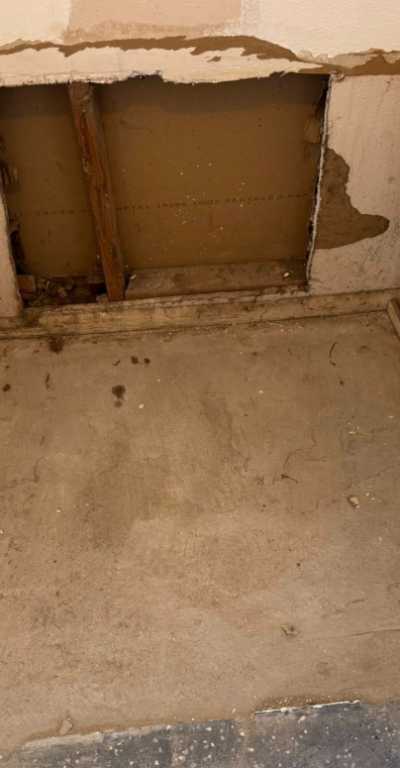
Depending on the condition of the drywall or ceiling materials, we perform professional mold removal using industry-approved methods. When materials are structurally compromised, selective removal and disposal may be required to ensure complete remediation.
All work is performed with precision to minimize disruption while achieving thorough results.
5. HEPA Filtration & Surface Cleaning
High-efficiency particulate air (HEPA) filtration is used throughout the process to capture airborne spores and fine particles. Affected areas are then carefully cleaned to remove residual contamination and dust.
This step supports improved indoor air quality and a clean finish.
6. Preventive Guidance & Moisture Control Recommendations
After remediation, we provide practical recommendations to help reduce the likelihood of future mold growth. This may include guidance on ventilation improvements, humidity control, or corrective repairs related to the original moisture source.
Our goal is long-term stability, not temporary results.
7. Final Inspection & Completion Review
A final review is conducted to confirm that mold has been properly addressed and that treated or replaced surfaces meet professional standards. We ensure the area is clean, stable, and ready for repair or finishing if required.
Great Reasons to Choose Us
Certified Mold Specialists
Our technicians are fully trained and certified in advanced mold inspection, testing, and remediation methods.
Proven Results
We use industry-approved equipment and EPA-registered products to ensure every trace of mold is safely removed.
Fast & Reliable Service
We understand the urgency of mold problems. Our team responds quickly and works efficiently to restore your home.
Complete Transparency
From inspection to cleanup, we explain every step and provide honest, upfront pricing—no surprises.
Preventive Focus
We don’t just remove mold; we identify and fix the root cause to stop it from coming back.
Locally Owned & Operated
As part of the Denton community, we treat every home as if it were our own, delivering personalized care and long-lasting results.
FAQs About Drywall & Ceiling Mold Removal
Can mold grow inside drywall and ceilings?
Yes. Drywall and ceiling materials are porous, which allows mold to grow beneath the surface when moisture is present. In many cases, mold develops behind paint or drywall panels, making professional assessment necessary to determine the full extent of contamination.
Is drywall mold always visible?
No. Mold inside walls or ceilings may not be visible until the problem becomes advanced. Common warning signs include discoloration, bubbling paint, soft drywall, persistent musty odors, or recurring moisture stains.
Can moldy drywall be cleaned, or does it need to be removed?
This depends on the severity of the damage. Light surface contamination may be treated, but drywall that is saturated, crumbling, or heavily colonized typically requires removal to ensure complete and safe remediation.
Is ceiling mold more dangerous than wall mold?
Ceiling mold presents added risks because spores can fall or circulate more easily through indoor air. Ceiling mold is often linked to roof leaks, condensation, or ventilation issues and should be addressed promptly to prevent spread.
What causes mold on drywall and ceilings?
Common causes include roof leaks, plumbing leaks, high indoor humidity, poor ventilation, condensation buildup, and previous water damage. Mold often develops when these issues go unresolved.
Is drywall mold removal safe to handle on your own?
DIY removal is not recommended. Disturbing moldy drywall can release spores into the air, increasing exposure and spreading contamination to other areas. Professional containment and filtration are critical for safe removal.
Will mold come back after drywall or ceiling remediation?
Mold can return if moisture issues are not properly addressed. Professional remediation focuses on both removal and identifying contributing conditions to reduce the risk of recurrence.
How long does drywall and ceiling mold removal take?
The timeline varies based on the size of the affected area and material condition. Most projects can be completed within one to three days, not including repairs or repainting.
Can drywall mold affect indoor air quality?
Yes. Mold inside walls and ceilings can release spores and microbial particles into the air, potentially affecting respiratory health and overall indoor air quality.
Should drywall mold be addressed before renovations or painting?
Absolutely. Painting over mold or damaged drywall does not resolve the problem and can trap moisture. Mold must be properly removed before any cosmetic or structural improvements.
How much does drywall and ceiling mold removal cost?
The cost of drywall and ceiling mold removal depends on several factors, including the size of the affected area, the extent of contamination, accessibility, and whether material removal is required. After an on-site inspection, we provide a clear, transparent estimate based on the actual conditions of your property.
Is drywall mold removal more expensive than surface mold cleaning?
In many cases, yes. Mold inside drywall or ceilings often requires containment, material removal, and specialized handling, which can increase the overall cost compared to surface-level cleaning. However, proper remediation helps prevent recurring issues and additional expenses later.
Can mold removal costs vary between residential and commercial properties?
Yes. Commercial properties often involve larger areas, higher ceilings, or additional safety requirements, which can affect pricing. Each project is evaluated individually to ensure accurate and fair estimates
Is it more cost-effective to address drywall mold early?
Absolutely. Early remediation often limits material damage and reduces the need for extensive removal or reconstruction. Addressing mold promptly can significantly lower long-term repair and restoration costs.
Do you offer flexible scheduling or phased remediation options?
Yes. When appropriate, we can discuss phased remediation plans that allow property owners to address mold issues strategically while managing timelines and budgets.
Why Local Denton Residents Trust Us
Schedule Professional Drywall and Ceiling Mold Removal Today
Tired of googling “Drywall and Ceiling mold removal near me” and scrolling through endless options? Save yourself the stress and contact Mold Removal Denton today for fast, reliable, and professional service.
If you’ve noticed stains, odors, peeling paint, or signs of moisture on your walls or ceilings, now is the right time to act.
Contact our team today to schedule an inspection and learn more about our drywall and ceiling mold cleanup services in Denton, TX. Taking action early helps protect your property, indoor air quality, and peace of mind.
Call us today at (940) 487-8158 or fill out our online form to get started!
Complete Mold Solutions Throughout Denton, TX
- Specialized Mold Removal Services
- Targeted Inspection and Testing
- Safe Containment
- HEPA Filtration and Air Scrubbing
- Structural Drying and Dehumidification
- Odor and Stain Elimination
- Mold Preventive Treatment
- Restoration Services
- Emergency Restoration Services
- Water Damage Restoration
- Fire Damage Restoration